
EV Sales in Andalusia Surge 45% as Fuel Costs Rise
Electric vehicle sales in Andalusia surged 45% year-over-year in Q1 2026 as consumers seek relief from rising fuel costs. Smart homeowners combine solar panels with an EV charger for maximum independence.
The first quarter of 2026 has marked a significant turning point for the automotive landscape in Southern Spain. According to recent data, electric vehicle (EV) sales in Andalusia have surged by 45% year-over-year. This rapid acceleration is driven primarily by the persistent rise in traditional fuel costs, which has pushed many residents along the Costa del Sol to reconsider their reliance on internal combustion engines. As petrol and diesel prices remain volatile, the economic argument for switching to electric mobility has never been stronger, especially for those living in sunny enclaves like Marbella or Estepona.
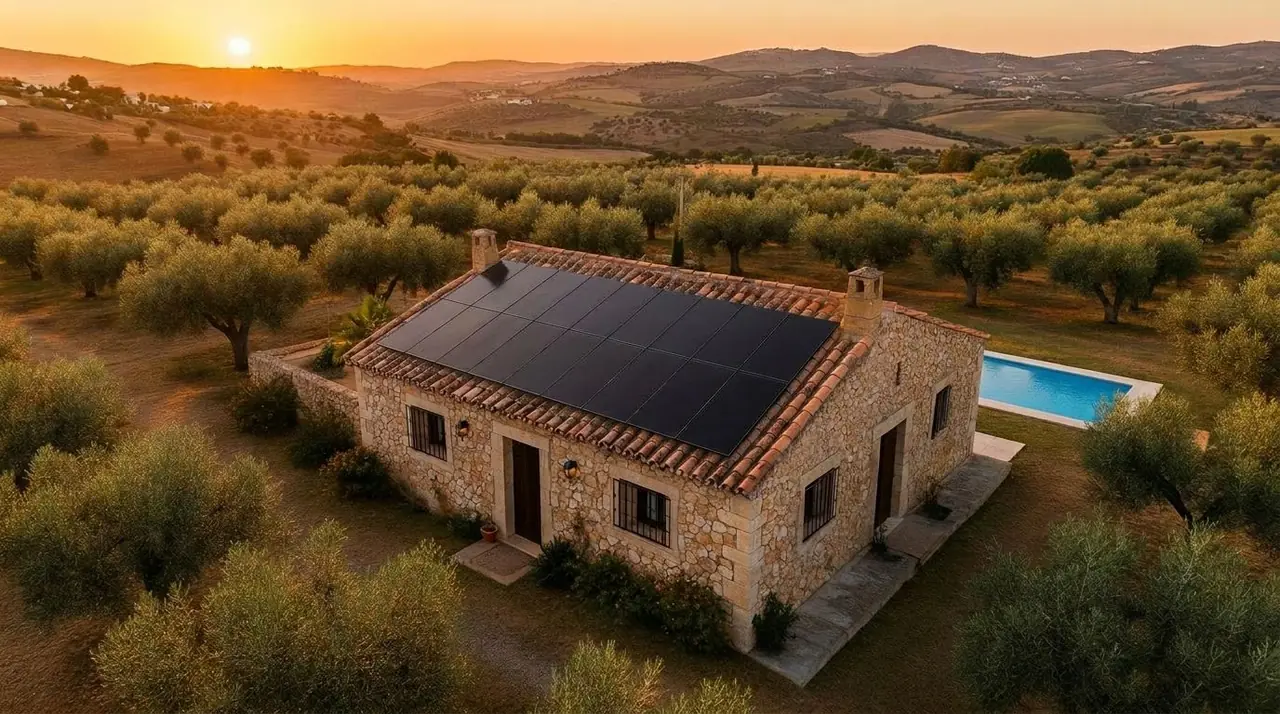
For property owners in the region, the shift toward electric mobility is not just an environmental choice but a strategic financial decision. With an average of over 300 sunny days per year, Andalusia offers the perfect environment for a solar panel installation. By generating their own electricity, homeowners can effectively decouple their transportation costs from the fluctuations of the global oil market. The synergy between photovoltaic energy and clean transport is becoming the standard for modern Mediterranean living.
Local residents are increasingly realizing that the true value of an EV is unlocked when paired with an EV charger installation at home. Charging a vehicle using the grid is already cheaper than refueling a petrol car, but charging with self-generated solar energy reduces the cost per kilometer to near zero. In areas like Mijas and Benalmadena, where daily commutes to Malaga are common, the monthly savings on fuel can often cover a significant portion of a mortgage or other household expenses.
One of the most compelling aspects of this transition is the impressive energy yield in Southern Spain. Using PVGIS data, a standard system in the Malaga province typically yields between 1,700 and 1,800 kWh per kWp annually. This high efficiency means that even a modest rooftop array can produce enough surplus energy to power both a household and an electric vehicle throughout the year. When combined with home battery storage Spain, owners can store daytime solar production to charge their cars overnight, maximizing their self-consumption rates.
Furthermore, the legal and fiscal framework in Spain supports this transition. The Royal Decree RD 244/2019 simplified the process for self-consumption and surplus compensation, allowing homeowners to receive credits on their electricity bills for the energy they don't use. Many municipalities in the Costa del Sol also offer incentives such as IBI tax reductions (up to 50% for several years) and IRPF deductions for energy efficiency improvements. These incentives, combined with the low maintenance of EVs, result in a typical payback period for solar installations of just 5 to 8 years.
To ensure long-term performance, homeowners should not overlook the technical aspects of their setup. Regular maintenance and professional solar panel cleaning are essential to prevent the accumulation of Saharan dust or salt spray from the Mediterranean, which can reduce efficiency. As the region moves toward a greener future, the combination of renewable energy and electric transport stands as the most effective way to achieve true energy independence. If you are considering joining the 45% of new EV owners, your next step should be a professional assessment of your home’s solar potential to maximize your investment.